


Today, electric vehicles are becoming common on Indian roads, with models like Tata Nexon EV, Mahindra XUV400, and BYD electric cars gaining popularity. However, many people are unaware that the India first electric car is not a recent innovation. In reality, the first electric car in India was launched way back in 1993, at a time when even the term EV (Electric Vehicle) was unfamiliar to most Indians. This historic car was called the Lovebird Electric Car.
Why Was the First Electric Car in India Special?
Launching the first electric car in India during the early 1990s was truly revolutionary, especially at a time when the global automobile industry was almost entirely dependent on petrol and diesel engines. The Lovebird Electric Car stood out by producing zero tailpipe emissions, running completely on electric power, and presenting a clear vision of sustainable mobility decades ahead of its era. Despite the lack of charging infrastructure and limited market readiness, the car was introduced with remarkable confidence and forward-thinking intent.
First Electric Car in India Launched By Which Company?


A commonly asked question even today is:
first electric car in India launched by which company?
The answer is:
Eddy Current Controls India Limited
This Indian engineering company was known for its expertise in electric motors and industrial control systems. With technical collaboration from Japan, the company developed the Lovebird Electric Car, making automotive history in India.
Public Debut of the Lovebird Electric Car
The Lovebird Electric Car was showcased publicly for the first time at the 1993 Delhi Auto Expo. This marked the first instance where Indian consumers witnessed a fully electric car.
At the time:
-
It was seen as future technology
-
It received strong media attention
-
But it was difficult for the mass market to understand and accept
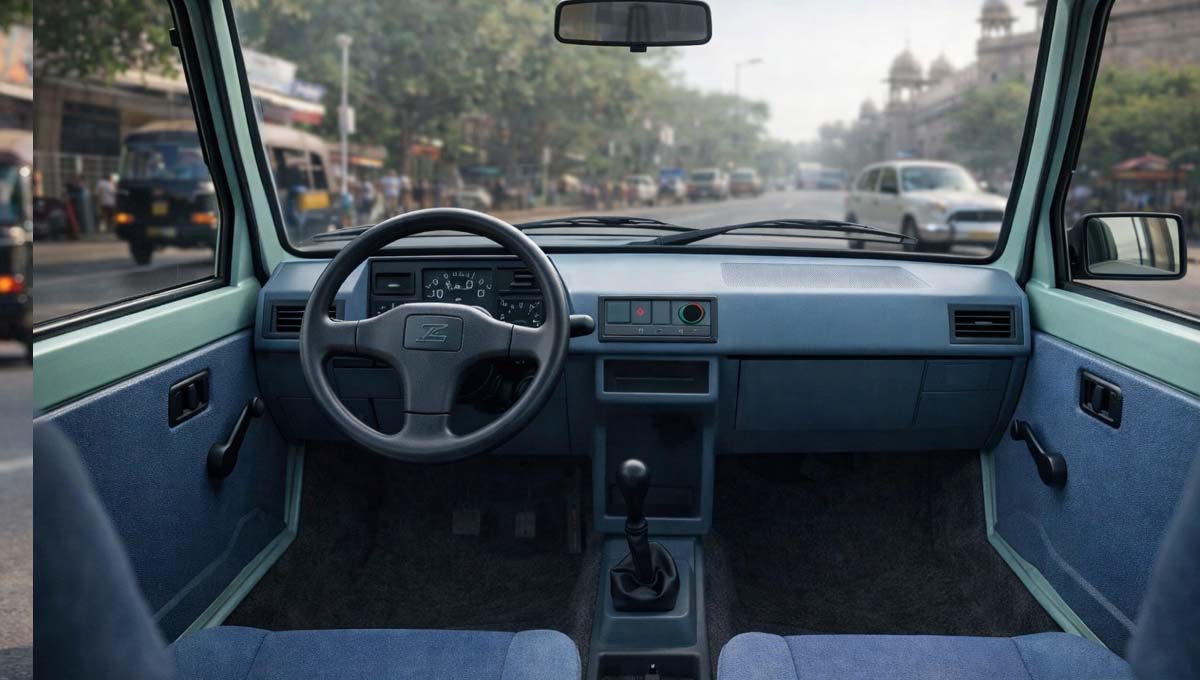
Lovebird Electric Car Battery, Range and Technology
From a technical standpoint, the Lovebird Electric Car was quite advanced for its time, offering a driving range of around 55–60 km per charge, which was suitable for short city commutes. It could be charged using a standard household power supply and required about 6–8 hours for a full charge. The car featured a compact 2-seater design, a lightweight steel chassis, and a fiber body to reduce overall weight, while remaining completely zero-emission and low-noise, making these specifications remarkably ahead of Indian automotive standards in 1993.
What Was the Lovebird Electric Car Price?
One of the most searched questions today is:
lovebird electric car price
There was no officially published mass-market price, but several factors influenced the high cost:
-
Battery technology was expensive
-
EV components were mostly imported
-
Local EV manufacturing ecosystem did not exist
As a result, the Lovebird Electric Car price was significantly higher than conventional petrol cars, limiting its reach.
Why Did the First Electric Car in India Fail?
Understanding the failure of the first electric car in India helps explain why it couldn’t succeed commercially.
Lack of Charging Infrastructure
In 1993, EV charging stations were virtually non-existent.
Low Consumer Awareness
Indian buyers trusted petrol engines more than battery-powered vehicles.
Weak Government Support
There were no long-term EV policies, incentives, or subsidies.
Expensive Technology
Battery replacement costs were high, making ownership impractical.
Due to these reasons, production remained extremely limited, and the project was eventually discontinued.
From Lovebird to Modern EVs in India
After the Lovebird Electric Car, India’s EV journey slowed down but never stopped. In 2001, the Reva Electric Car brought electric mobility back into focus, which was later strengthened when Mahindra acquired Reva. The EV revolution truly gained momentum after Tata Motors mainstreamed EVs in India, turning the vision of the first electric car in India into a fast-growing electric vehicle ecosystem.
Legacy of the India First Electric Car
Although the Lovebird was not commercially successful, its contribution remains invaluable.
It proved India could build electric cars
It laid the foundation for future EV development
It became the first milestone in India’s EV history
Every modern EV sold today carries the legacy of the India first electric car.
Also Read… Kawasaki Ninja ZX-6R 2026 Price in India, Specs, Features & Performance Review
Conclusion
The Lovebird Electric Car was not just a vehicle but a bold and visionary idea introduced at the wrong time an idea that proved that even early failures can shape history. As the saying goes, “a great idea introduced too early may fail, but it still makes history.” Had the same car been launched in today’s EV-friendly environment, its success story might have been very different; nevertheless, Lovebird will always be remembered as the first electric car in India and a true pioneer of Indian electric mobility.