


Tata Motors has expanded its Punch lineup with the launch of the 2026 Tata Punch Facelift, while the Tata Punch EV continues to attract buyers looking for an electric and future-ready SUV. Although both models share the same Punch DNA, they target completely different audiences. This comparison explains the real-world differences between the two in a simple and Discover-friendly way.
Powertrain & Performance: Engine Options vs Electric Drive
The 2026 Tata Punch Facelift is designed for buyers who want flexibility in fuel and performance. It comes with a 1.2-litre naturally aspirated petrol engine producing 88 PS and 115 Nm, which is well suited for smooth city driving and daily use. For those who prefer stronger performance, Tata also offers a 1.2-litre turbo petrol engine delivering 120 PS and 170 Nm, making highway overtakes and long drives more comfortable.
In addition, the 1.2-litre CNG variant produces 73.4 PS and 103 Nm, focusing on better fuel efficiency and lower running costs. Buyers can choose between manual and AMT gearbox options, making the Punch Facelift a practical choice for both new and experienced drivers.
Punch EV: Electric Performance with Long Driving Range


The Tata Punch EV takes a modern and future-ready approach with its fully electric powertrain. It is available in two battery options to suit different driving needs. The mid-range version, powered by a 25 kWh battery, delivers 82 PS and 114 Nm, offering smooth and quiet performance for daily city commutes.
For buyers looking for more power and longer trips, the long-range Punch EV features a 35 kWh battery producing 122 PS and 190 Nm. It also supports regenerative braking and multiple driving modes, which help improve efficiency and control. With a claimed range of up to 421 km (MIDC), the long-range EV version is suitable for both city use and occasional highway journeys.
2026 Tata Punch Facelift vs Tata Punch EV: Powertrain Comparison
| Specification | Punch Facelift (Petrol) | Punch Facelift (Turbo) | Punch Facelift (CNG) | Punch EV (Mid Range) | Punch EV (Long Range) |
|---|---|---|---|---|---|
| Powertrain Type | 1.2L N/A Petrol | 1.2L Turbo Petrol | 1.2L Petrol + CNG | Electric | Electric |
| Electric Motor | – | – | – | Single Motor | Single Motor |
| Maximum Power | 88 PS | 120 PS | 73.4 PS | 82 PS | 122 PS |
| Peak Torque | 115 Nm | 170 Nm | 103 Nm | 114 Nm | 190 Nm |
| Transmission | 5-speed MT / AMT | 6-speed MT | 5-speed MT / AMT | Automatic | Automatic |
| Claimed Range (MIDC) | – | – | – | 315 km | 421 km |
Exterior Design: Same Shape, Different Character
The 2026 Tata Punch Facelift receives a noticeable design refresh that makes it look more modern and aggressive than before. It comes with a redesigned front bumper, slimmer grille, updated LED DRLs, and refreshed lighting elements. These changes enhance road presence without altering the rugged micro-SUV stance that Punch is known for.
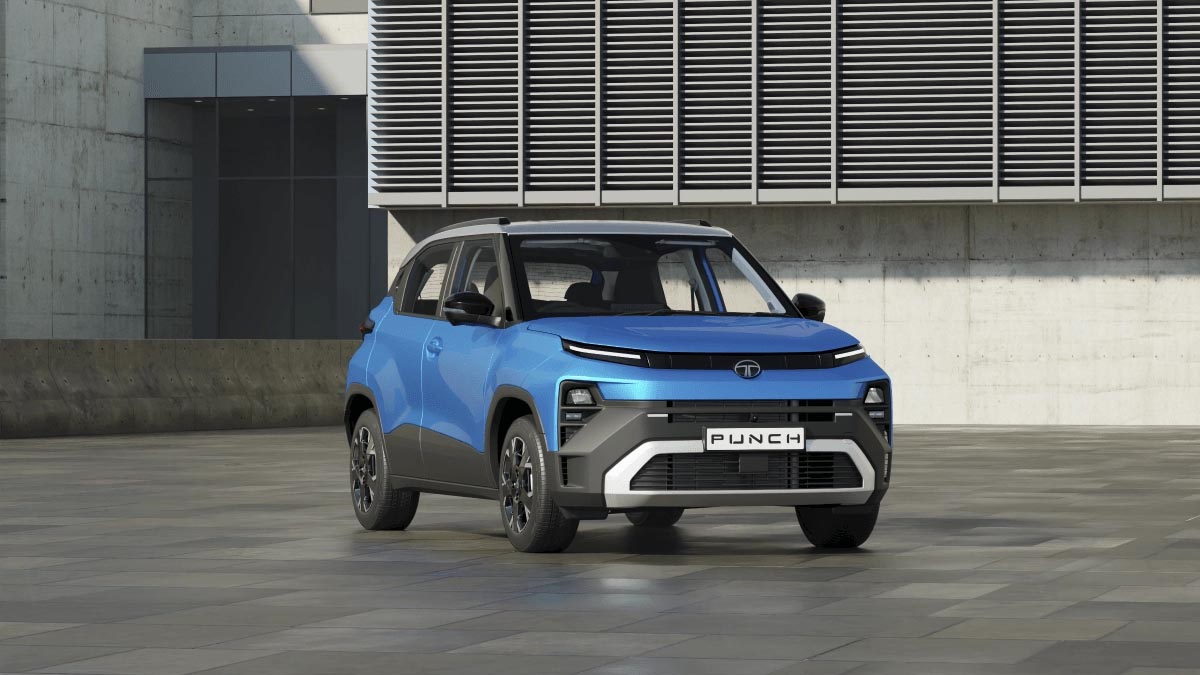
In comparison, the Tata Punch EV carries a more futuristic and premium visual identity. The closed front grille immediately highlights its electric nature, while EV-specific alloy wheels and clean body lines give it a more refined look. The EV feels more urban and tech-focused, whereas the facelift leans toward a sporty and practical design.
Interior & Cabin Experience: Practical vs High-Tech
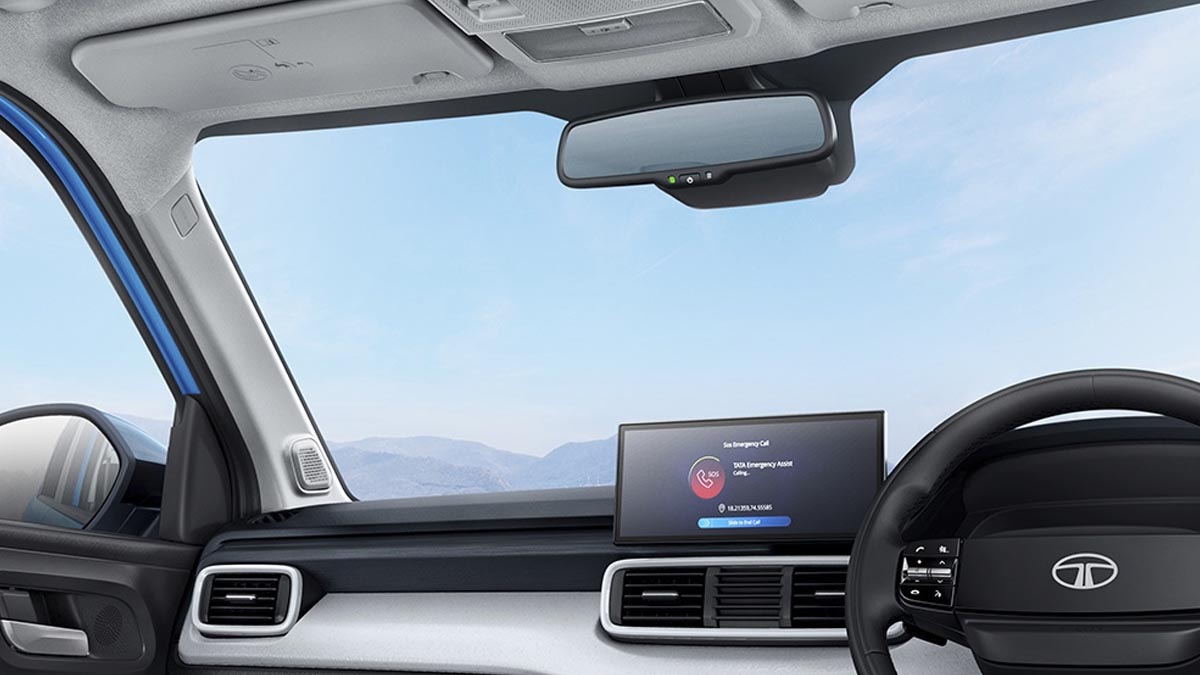
Inside the cabin, the Punch Facelift 2026 offers a refreshed dashboard layout with a new two-spoke steering wheel featuring an illuminated Tata logo. The cabin design focuses on durability and daily usability, making it suitable for Indian road conditions and regular commuting.
The Punch EV, however, feels more advanced the moment you step inside. It offers a larger digital driver display, an electronic drive selector, and a lighter interior theme that enhances the sense of space. Overall, the EV’s cabin feels more premium and digitally oriented compared to the facelift version.
Features & Technology: EV Takes the Lead
The 2026 Tata Punch Facelift is well-equipped and now offers modern features such as a large touchscreen infotainment system, wireless Android Auto and Apple CarPlay, wireless phone charging, cruise control, and six airbags as standard.
Meanwhile, the Tata Punch EV goes a step further by adding segment-advanced features like ventilated front seats, a fully digital instrument cluster, EV-specific drive modes, and smarter energy displays. These additions make the EV more appealing to tech-savvy and urban buyers.
Powertrain Options: Petrol vs Electric Philosophy
The Punch Facelift 2026 continues with internal combustion engine options, making it more familiar and flexible for traditional car buyers. It is expected to be offered with a 1.2-litre petrol engine, a turbo petrol option, and a CNG variant. Manual and AMT gearbox options provide convenience across price points.
On the other hand, the Tata Punch EV is purely electric and comes with two battery pack choices. The long-range version offers a claimed driving range of over 400 km, making it suitable for city and occasional highway use. Instant torque delivery and silent operation give the EV a smoother and more refined driving experience.
Driving Experience: City-Friendly vs Future-Ready
In daily usage, the Punch Facelift delivers a familiar driving feel with predictable performance and easy maintenance. It is ideal for buyers who frequently travel long distances or lack charging infrastructure access.
The Punch EV shines in urban environments, offering quick acceleration, low running costs, and zero tailpipe emissions. The calm and vibration-free drive experience makes it especially attractive for city commuters.
Safety: Strong Focus on Protection
Safety is a major strength for both models. The 2026 Tata Punch Facelift and Punch EV come equipped with six airbags, ABS with EBD, electronic stability control, and ISOFIX child seat mounts. Tata’s solid build quality further boosts confidence, especially for family buyers.
Price Difference: Affordability vs Long-Term Value
The 2026 Tata Punch Facelift is expected to be priced significantly lower, making it one of the most value-for-money micro-SUVs in India. Its wide engine choices also help attract budget-conscious buyers.
In contrast, the Tata Punch EV sits at a higher price point due to its electric powertrain and advanced technology. However, lower running costs and future-ready appeal make it a smart long-term investment for many buyers.
Final Verdict: Which Tata Punch Should You Choose?
If you are looking for an affordable, versatile, and fuel-based SUV, the 2026 Tata Punch Facelift is the more practical choice. It offers modern updates while keeping ownership simple and economical.
However, if you want a cleaner, quieter, and more technology-driven driving experience, the Tata Punch EV stands out as a future-focused option. Both models serve different needs, but together they strengthen Tata’s position in the Indian SUV market.
Frequently Asked Questions (FAQs)
Which is better: 2026 Tata Punch Facelift or Tata Punch EV?
The 2026 Tata Punch Facelift is better for buyers who want petrol, turbo, or CNG flexibility and long-distance usability. The Tata Punch EV is ideal for city users who prefer low running costs, silent driving, and a future-ready electric experience.
What is the driving range of Tata Punch EV?
The Tata Punch EV Long Range version offers a claimed MIDC range of up to 421 km, while the mid-range variant delivers around 315 km on a single charge.
Does the 2026 Tata Punch Facelift come with a turbo engine?
Yes, the 2026 Tata Punch Facelift is expected to offer a 1.2-litre turbo petrol engine producing around 120 PS and 170 Nm, making it suitable for highway driving.
Is Tata Punch EV suitable for highway driving?
The long-range Tata Punch EV can handle occasional highway trips comfortably, but it is best suited for city and urban usage where charging access is convenient.
Which Tata Punch is more affordable?
The 2026 Tata Punch Facelift is expected to be more affordable than the Punch EV, making it a better option for budget-conscious buyers.
Do both Tata Punch models offer good safety?
Yes, both the 2026 Tata Punch Facelift and Punch EV come with six airbags, ABS with EBD, electronic stability control, and ISOFIX child seat mounts.
Which Tata Punch is better for city driving?
The Tata Punch EV is better for city driving due to instant torque, smooth acceleration, silent operation, and very low running costs.