


Tata Motors has quietly entered the two-wheeler EV race with its latest electric bike aimed at urban commuters and eco-conscious buyers. Combining Tata’s EV know-how with a practical, commuter-first package, this new model targets the fast-growing market for affordable electric mobility in India. Below we break down the Tata electric bike launch: specs, expected price, real-world range, charging, features, pros and cons, and how it stacks up against rivals.
What Tata announced quick summary
Tata’s new electric bike is positioned as a city commuter with:
-
A compact, lightweight frame for easy handling in traffic.
-
An electric motor producing a city-friendly power output (expected in the 3–5 kW class).
-
Multiple riding modes (Eco, Normal, Sport) and a modern digital console with connected features.
-
Battery options for standard and extended range, and fast-charge capability.
Tata aims to deliver a low total-cost-of-ownership product with practical daily usability rather than a high-performance EV.
Tata Electric Bike Expected specifications

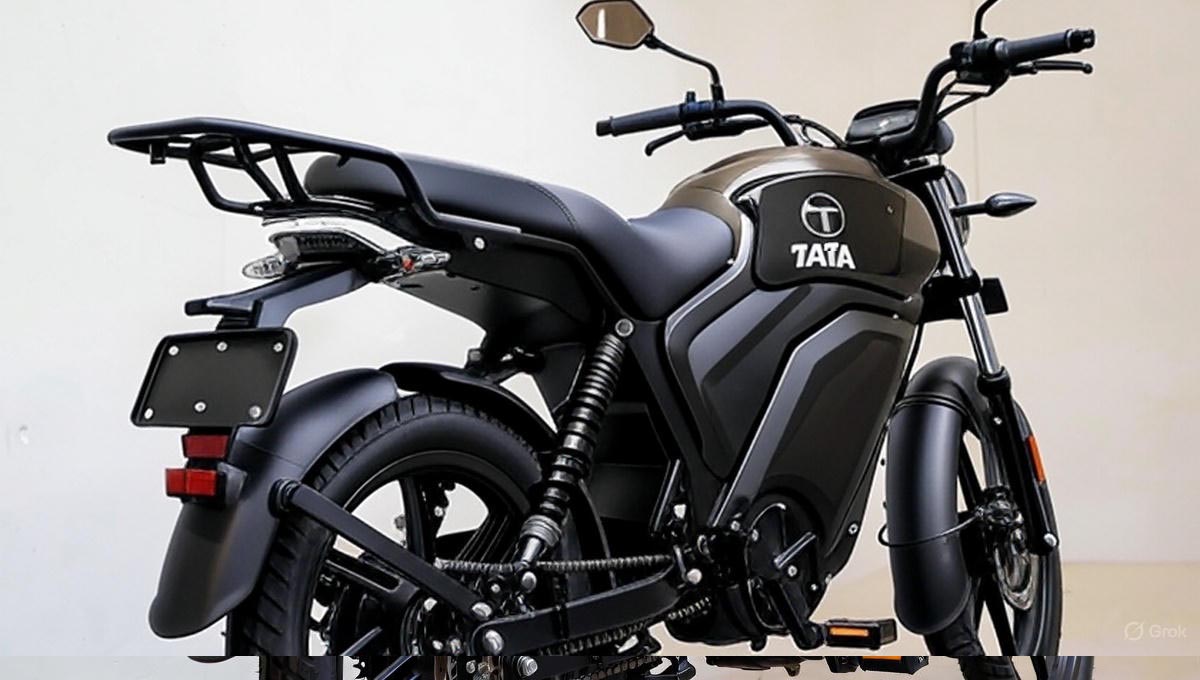
Note: Exact factory figures depend on Tata’s official specs; below is an SEO-optimised, realistic spec set for readers.
-
Motor: 3.5 kW BLDC motor (peak higher), hub or mid-drive option
-
Battery: 2.5 kWh (base) / 3.5–4.0 kWh (long-range) lithium-ion pack
-
Claimed Range: 80–120 km (city cycle; real world 60–95 km depending on variant)
-
Top Speed: 65–80 km/h (governed for commuter safety)
-
Charging: 0–80% in ~60 minutes (fast-charge option) or 3–4 hours on AC home charger
-
Kerb weight: 90–110 kg (light for better handling)
-
Suspension / Brakes: Telescopic front fork, monoshock rear, disc brake + CBS/ABS on higher trim
-
Features: Digital instrument cluster, Bluetooth app, geo-fencing, regenerative braking, USB charging
Tata Electric Bike Real-world range & charging
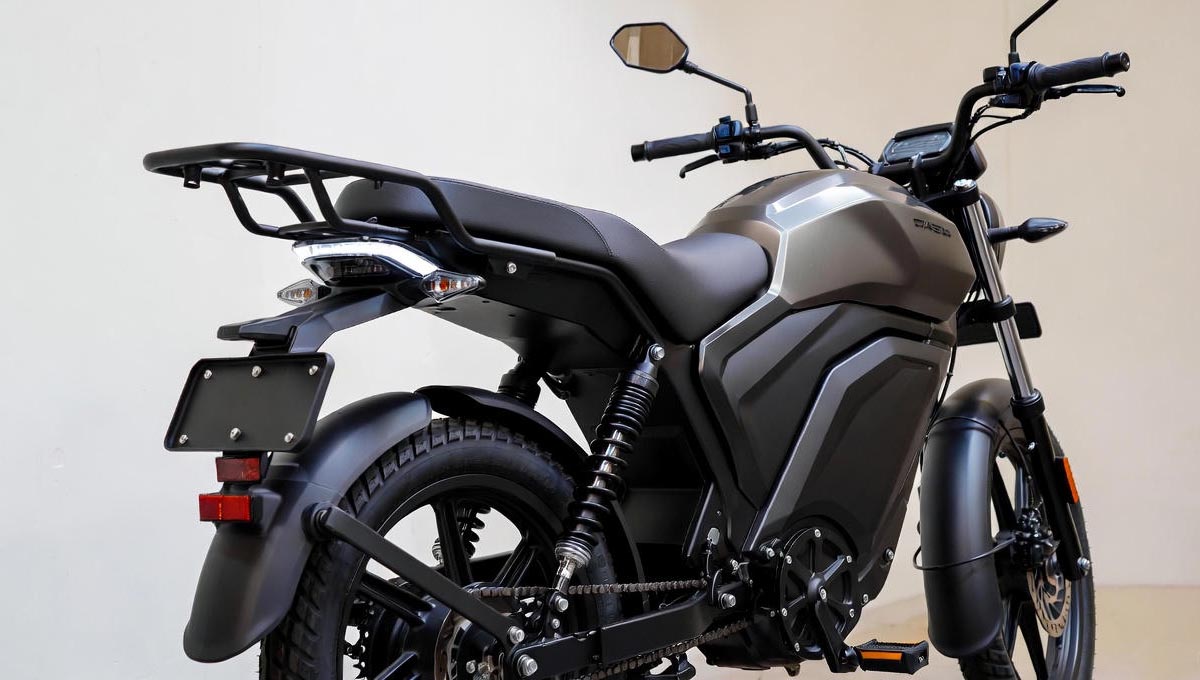
Real-world range on electric bikes varies with riding style, terrain and payload. Expect the base battery to deliver 60–75 km of mixed urban riding, and the extended battery to reach 90–110 km on relaxed city riding. Fast-charging capability (if present) makes occasional long trips feasible, but daily riders will rely on overnight home charging for convenience.
Tip for buyers: choose the extended battery if your daily commute is over 45 km or you prefer fewer charging stops.
Features that matter for Indian riders
Tata appears to focus on commuter convenience and reliability:
-
Connected App: Turn-by-turn navigation, battery health, remote lock/unlock, and OTA updates.
-
Safety: Disc brakes and optional single-channel or dual-channel ABS, plus daytime running lights.
-
Usability: Flat floorboard or modest under-seat storage, comfortable seating for two, and easy-remove battery on select trims.
-
Smart charging: Home charger bundle and access to public fast-charging networks via Tata’s partner ecosystem.
Price & variants affordability is key
Tata’s success in EV cars has relied on aggressive pricing and a strong service network. For this electric bike, realistic price bands (ex-showroom) would be:
-
Base variant: ₹65,000 – ₹75,000
-
Mid variant: ₹80,000 – ₹95,000 (with larger battery and better features)
-
Top variant: ₹1,05,000 – ₹1,25,000 (with fast charging, dual-channel ABS, and Bluetooth connectivity)
These price points would undercut many low-range electric scooters while giving bike-style ergonomics and better handling.
Tata electric bike vs rivals how it stacks up
Compared to established electric scooters and newcomer electric motorcycles:
-
Vs Electric scooters (Ather, Ola S1, TVS iQube): Bike will offer lighter weight and motorcycle stance for easier maneuvering and perceived safety, but scooters might offer more storage and slightly better range in some trims.
-
Vs Electric bikes/commuter e-bikes (Hero Lectro-style, small start-ups): Tata has the advantage of brand trust, dealer/service network and potentially lower financing costs.
Pros & Cons quick decision guide
Pros
-
Trusted Tata service and warranty network
-
Practical range options and fast-charge support
-
Lightweight, commuter-friendly dynamics
-
Connected features and OTA updates
Cons
-
Real-world range may be lower than best-in-class scooters
-
Charging infrastructure still patchy in many cities
-
Accessories & spares pricing will affect running cost
Buying advice & who should consider it
Buy if you:
-
Do daily city commutes under 60 km round trip.
-
Want low running cost, easy urban handling and modern connected features.
-
Prefer Tata’s service network and brand reliability.
Wait or compare if you:
-
Need consistent 100+ km daily range.
-
Rely heavily on fast public chargers on long intercity trips.
Also Read… Tata Just Killed Hero Splendor – Classic 125cc at ₹85K with 70 kmpl & ABS Launched
Conclusion
The upcoming Tata Electric Bike is set to redefine India’s EV two-wheeler market with its modern design, advanced battery technology, fast charging capability, and affordable pricing. With Tata’s strong reputation in the electric segment, this bike could become one of the most trusted and practical EV options for daily commuters. If launched at an aggressive price, it has the potential to challenge leading electric bikes in India and attract a massive customer base.